

Two methods of producing vegetable oil
Let’s consider two methods of production of vegetable oil
Oil presses and extraction plants play an important role in the production of vegetable oils, but use different technologies that have their own advantages and disadvantages. The main difference between these two approaches lies in the methods of extracting the oil from the seeds. Below is an overview of the technologies based on key aspects of each plant type, including the process, efficiency and profitability factors that determine their use.
Зміст
1.Oil-press plants (press technology):
- Oil-press factories use mechanical oil removal, which involves physical pressing of seeds to obtain oil. This method does not require chemicals, so the final product is considered more natural and of higher quality, which is an advantage for the market of environmentally friendly products. However, this method has limitations in the amount of oil obtained, as part of the fat remains in the pulp.
- Press technology is more common in small enterprises, where large volumes are not needed, but high product quality is important. The choice of this method often depends on the availability of equipment, the target market and the demand for the products.
2. Extraction plants (Chemical extraction):
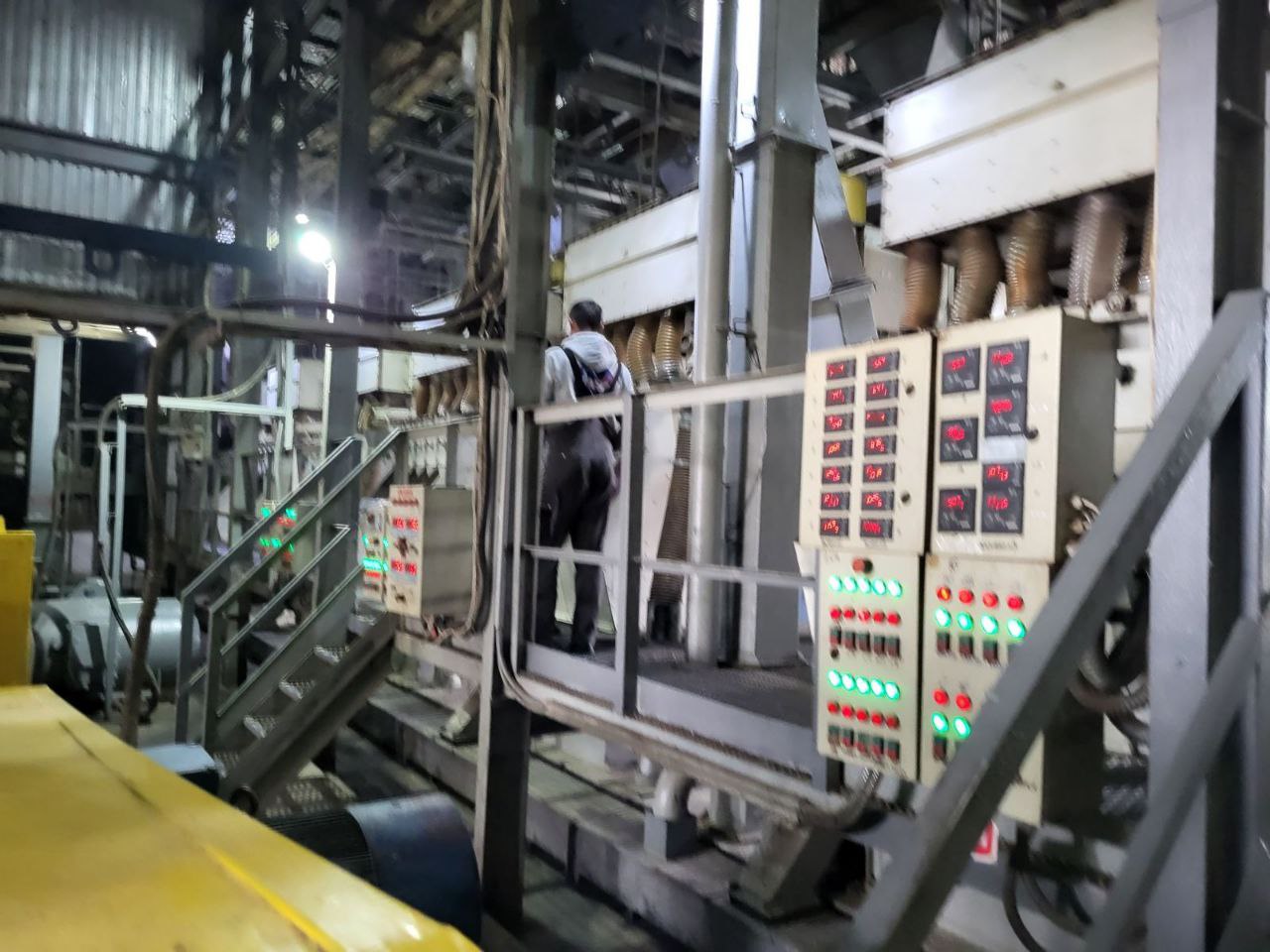
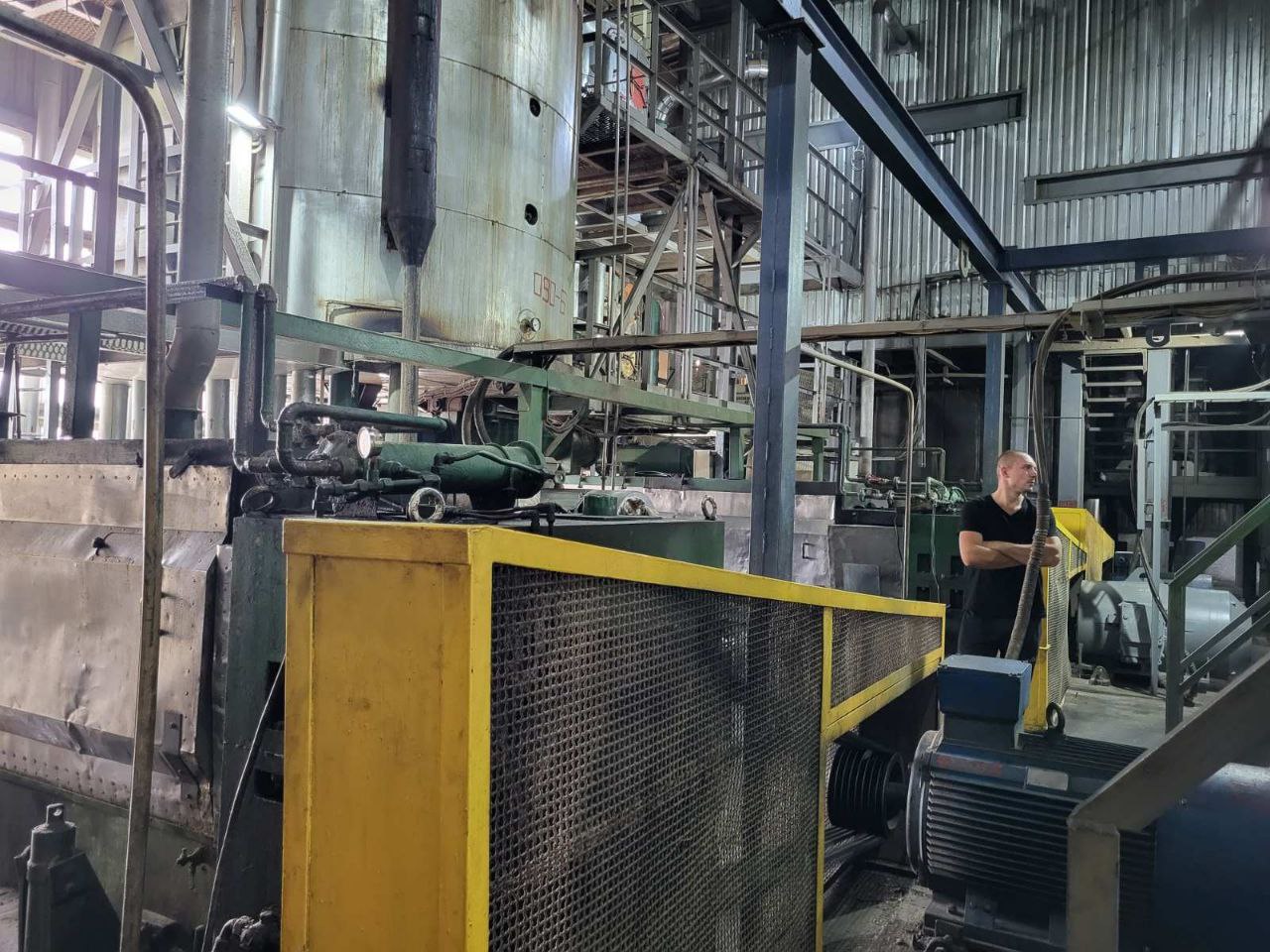
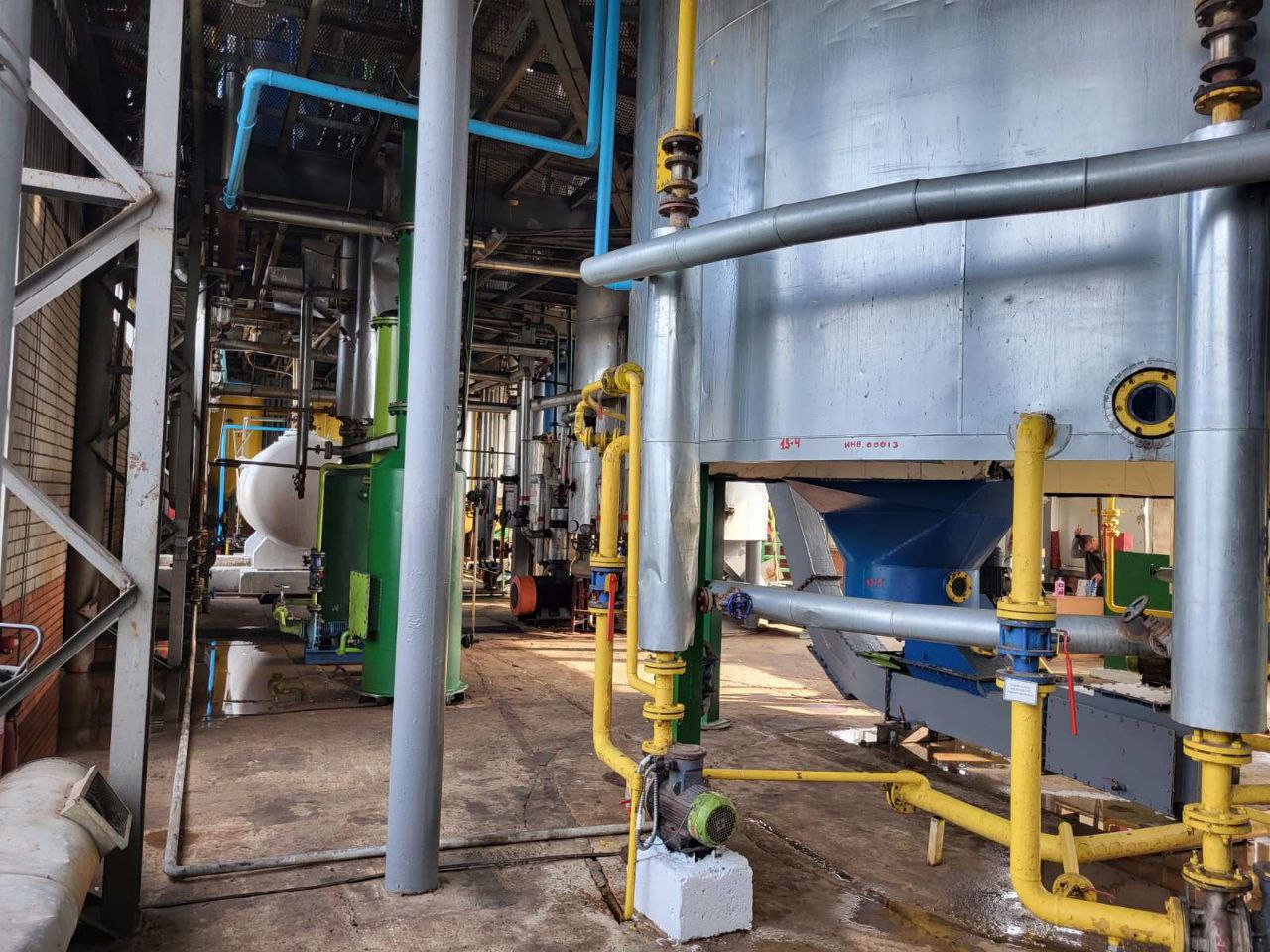
- Extraction plants use organic solvents, such as hexane, to dissolve fats from the seeds, which allows obtaining significantly more oil from the same amount of raw material. After that, the solvent evaporates, leaving pure oil. This process is much more efficient than the mechanical method, but requires additional cleaning steps to remove chemical residues.
- Extraction technologies are suitable for large volumes of production and are economically more profitable, as they allow obtaining more oil. The disadvantage is the impact on the environment due to the use of chemicals, as well as higher requirements for safety and quality control.
3. Profitability and market:
- The choice between pressing and extraction technologies depends on market conditions, company goals and demand for final products. For example, if a company wants to enter the market of organic products, preference is given to oil-pressing methods. Extraction plants are more profitable for large volumes of production and lower production costs.
- Equipment, maintenance, energy and chemical costs are also important factors in determining the cost-effectiveness of the chosen method.
4. Technological differences and environmental aspects:
- Extraction plants have a more complex production structure and require special equipment for working with solvents and waste disposal. Oil presses are more environmentally friendly because they do not require chemical components, which reduces environmental risks and cleaning costs.
- Both types of plants can be part of an integrated production cycle, where the initial mechanical pressing is supplemented by an extraction method to maximize the extraction of oil from the raw material. This approach can improve efficiency without significantly increasing environmental impact.
This review reflects the main technological and economic aspects of the operation of oil presses and extraction plants, emphasizing the advantages and disadvantages of each approach. Both methods have their place in the production of vegetable oils, and the choice depends on the specifics of the enterprise, the target audience and business goals.
We buy sunflower seeds on an ongoing basis. Contact the purchasing department